
Writing as Exorcism
'Salem's Lot: A NovelThis flow traces Ben’s changing understanding of fiction from commercial work to an attempt to transform trauma and preserve witness.
increasing Bearing strength in each event
 decreasing
Bearing strength in each eventdecreasingThe Author’s Return
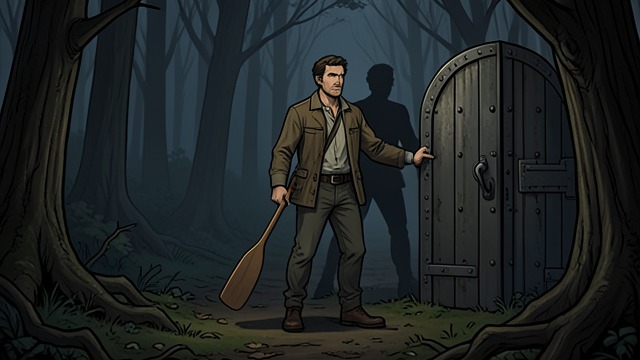
The Author’s Return
Ben returns to Jerusalem’s Lot intending to write a novel about the Marsten House and the town.
Art as Control
He believes that research and composition can turn childhood fear into material. Writing offers the illusion that he can determine the shape of the past.
Reality Interferes
The supernatural events overtake his planned story. The book becomes less an invention than a record of forces resisting narrative control.
The Book Takes Over
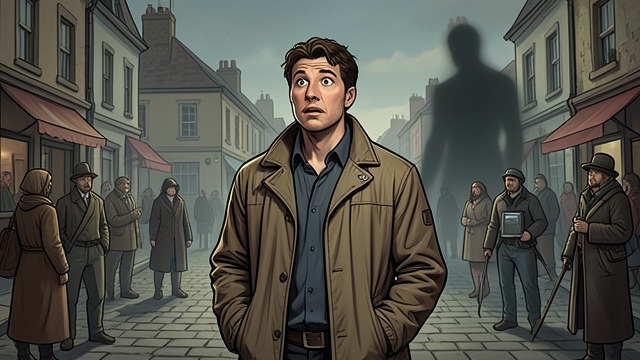
The Book Takes Over
Ben’s fictional plans are repeatedly altered by actual disappearances, deaths, and discoveries.
Story Beyond Plot
He cannot force events into the design he imagined. The town supplies characters and reversals more powerful than his outline.
Narrative Humility
Ben learns that storytelling requires following the living movement of a story rather than controlling every result. His creative philosophy mirrors his supernatural surrender to evidence.
The Manuscript Burned
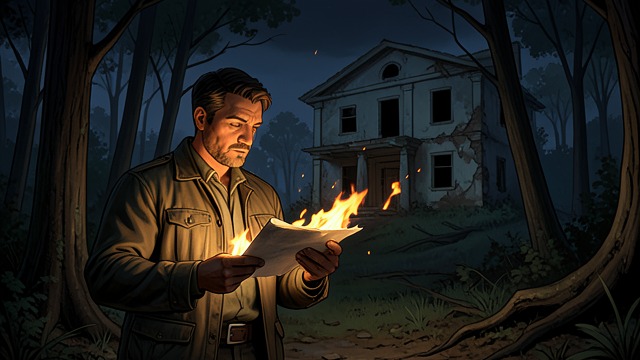
The Manuscript Burned
After escaping the town, Ben burns the manuscript he wrote while living in Eva’s Rooms.
Art Cannot Contain Loss
The pages have become inadequate beside Susan’s death and the town’s destruction. The manuscript no longer feels like mastery over experience.
A New Beginning
Burning the work clears space for survival and testimony. Ben abandons the old book but not the responsibility to remember what happened.
The Paperweight Memory
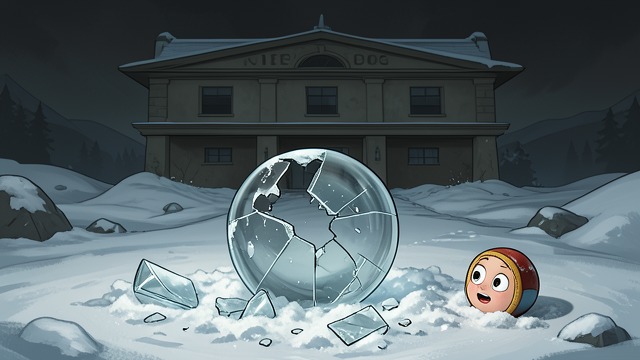
The Paperweight Memory
Ben breaks the glass snow globe that has connected his childhood to the Marsten House.
The Child’s Object
The globe once held the house as a miniature, manageable image. Its snow obscured and preserved the memory simultaneously.
Breaking the Frame
When Ben destroys it, he rejects the fantasy that the past can remain safely enclosed. The object’s destruction marks the end of childhood mediation.
Witness Beyond Fiction
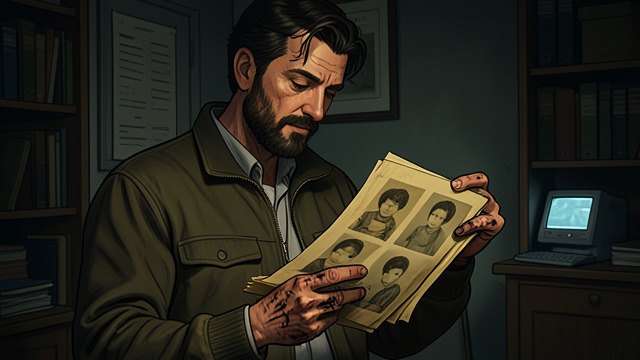
Witness Beyond Fiction
Ben keeps newspaper clippings about later disappearances and returns to Jerusalem’s Lot with Mark.
Documentation
Clippings become a counterforce to rumor. They preserve the continuing evidence that official explanations still fail to contain.
Writing’s Moral Task
Ben’s fiction has become less important than witness. His future work will be shaped by the duty to name recurring evil even when no ending can be guaranteed.
September 1975
Late September 1975
October 7 1975
After the manuscript burning
Epilogue 1975–1976
